Donor – UNDP,
Duration – February – March 2021
The main goal of this comprehensive needs assessment was to reveal the health and social needs of people amputated as a result of recent hostilities in the Nagorno-Karabakh conflict zone. The project is also aimed at indicating the complex package of relevant services to be delivered to them.
The need for such an evaluation project has been emphasised in the Armenian Prime Minister’s 6-month Roadmap of Actions for Armenia’s recovery after the defeat at war.
UNDP Armenia Office thus started a support package to the Ministry of Labour and Social Affairs of Armenia (MoLSA) upon their request within the “Stronger Services for Equal Participation and Inclusive Development” project. The needs assessment has been carried out through a new approach of disability determination, eligibility definition, and service provision.
For that reason, ESI Consulting Group NGO has been contracted to provide logistics support to the multidisciplinary teams (MDT) in conducting the needs assessment in Yerevan and 10 regions of Armenia, as well as in the Artsakh.
Around 150 people injured/wounded at war have been identified as needing prosthetics, among them
– compulsory and/or contracted servicemen: ordinary and officers;
– officers of Police and the National Security Service;
– rescue officers;
– conscripts/recruits;
– volunteers.
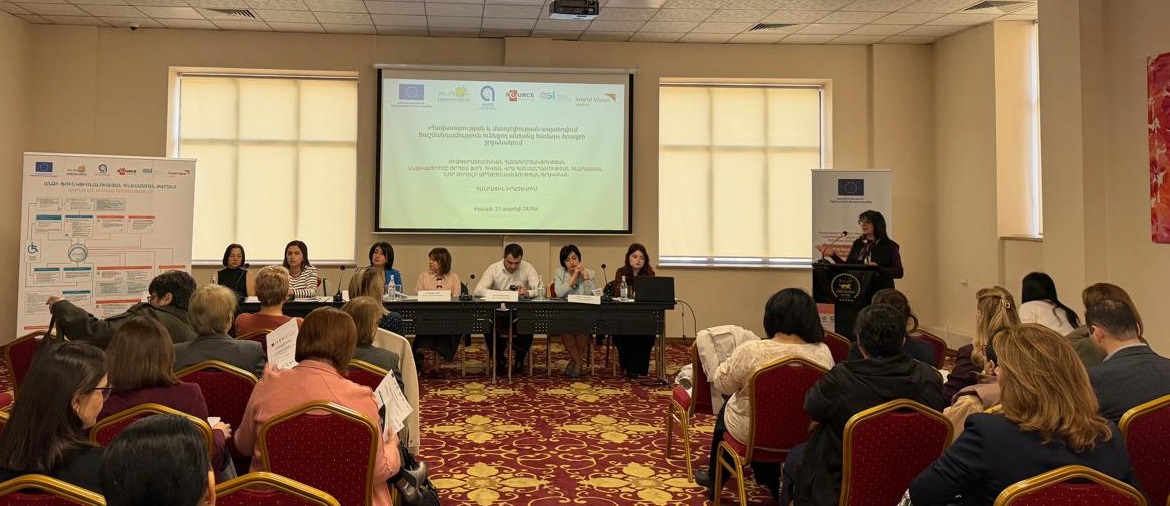
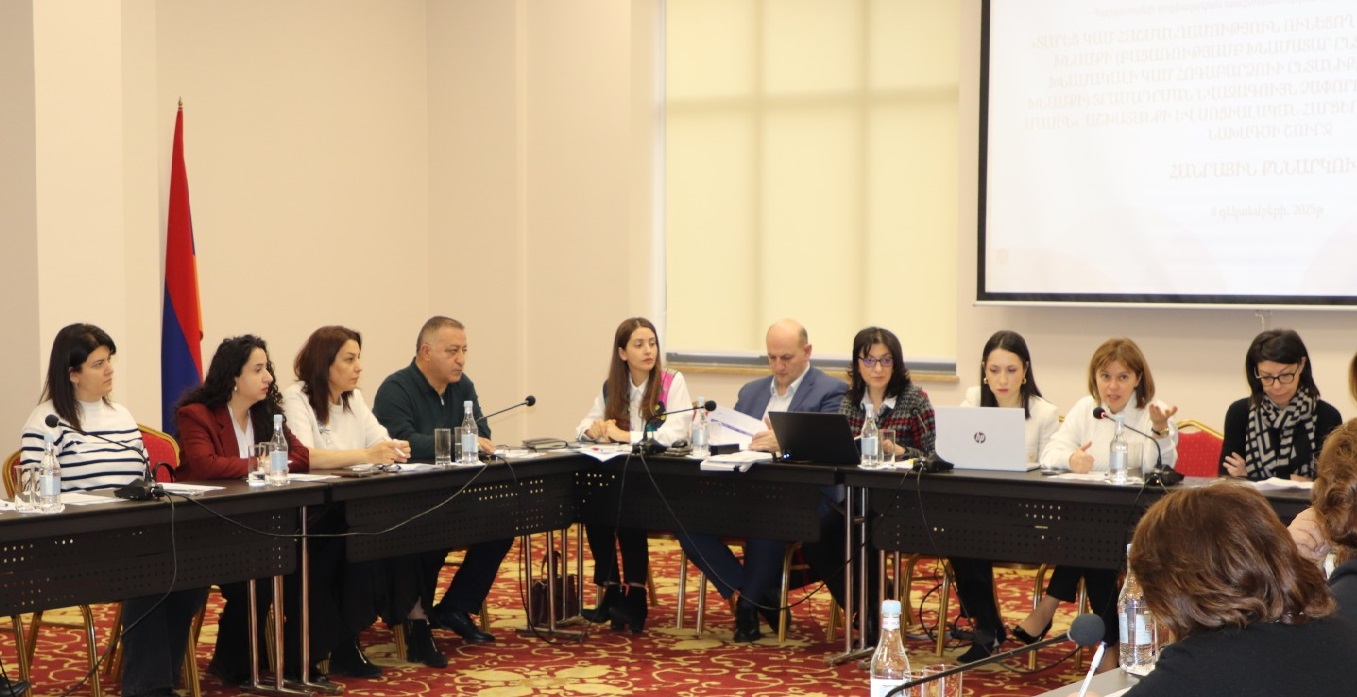
To conduct the needs’ assessment two MDTs were established consisting of various specialists – orthopaedist, physiotherapist, etc.
The MDTs conducted the needs assessment of potential beneficiaries through on-site/home visits; During the visits a special attention was paid to make the process transparent, unbiased and to allow the participants freely express their opinions ensuring at the same time strict confidentiality of provided information.
Main Findings, Facts and Figures
– The MDTs have conducted 141 visits and needs assessment of 112 injured (wounded) people (with 1.5-2 hours spent per assessment and 4 assessments per day). The average duration of an interview and needs assessment per person was 1.5 hours.
– The needs assessment survey allowed identifying the type of amputations needed by the participants and describing the details necessary for determining the type of prosthesis.
– The MDTs assessed the need of injured beneficiaries in assistive devices aimed at improving a person’s functionality as well.
– The needs assessment has revealed several existing legislative gaps.
– There is an urgent need in providing psychological assistance to injured people.
– Considerable work should be done in terms of increasing the public awareness on human rights. Systemic and consistent public awareness raising measures are highly recommended to this end.